
Living and Breathing Inquiry Based Learning
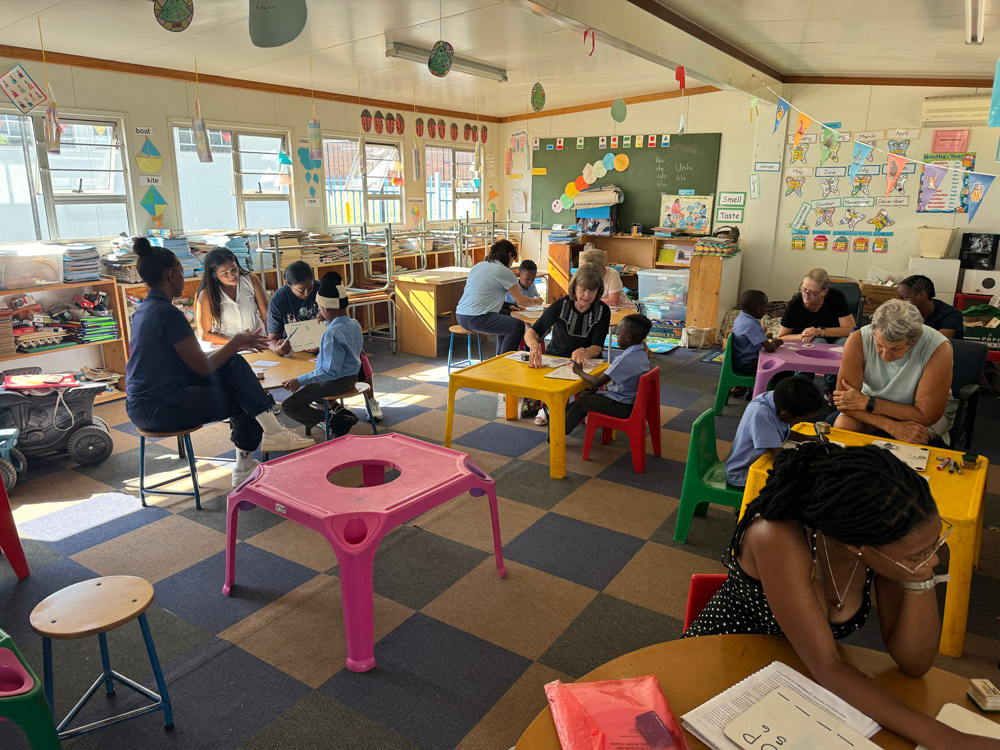
On the two days before school started this term our staff were, as always, involved in various Staff Development Training sessions. One of these sessions included further input for our academic staff into the teaching of Inquiry Based learning from Traci Willis. Traci is a thought leader in Inquiry Based Learning and has been working with our teachers since the beginning of the year. This ‘process driven’ approach to teaching, aligns perfectly with our school’s academic philosophy.
Inquiry Based Learning, is an understanding that education is no longer about the need to know the answer, but the confidence and skills to work out how to find the answer.
It begins with curiosity. A teacher asks a question or presents a statement, the child is then encouraged to ask the right questions, explore possibilities, encounter problems, make mistakes, discusses ideas with others and eventually reach a conclusion. Research shows that this active engagement can strengthen conceptual understanding, motivation and the ability to apply learning to new situations.
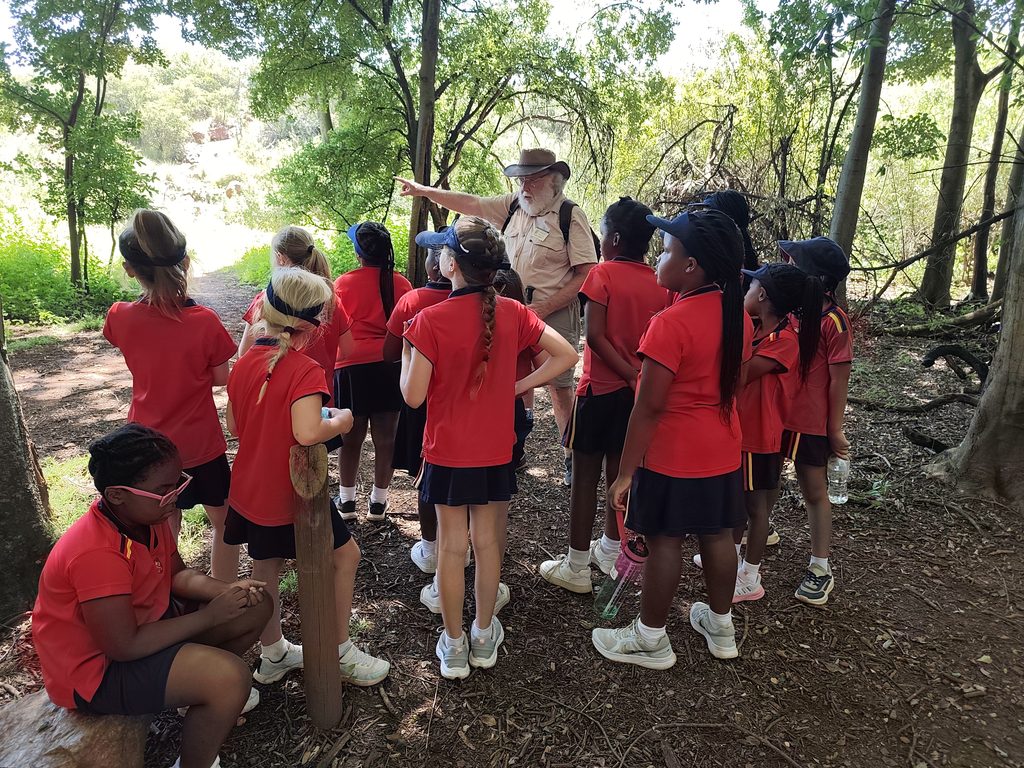
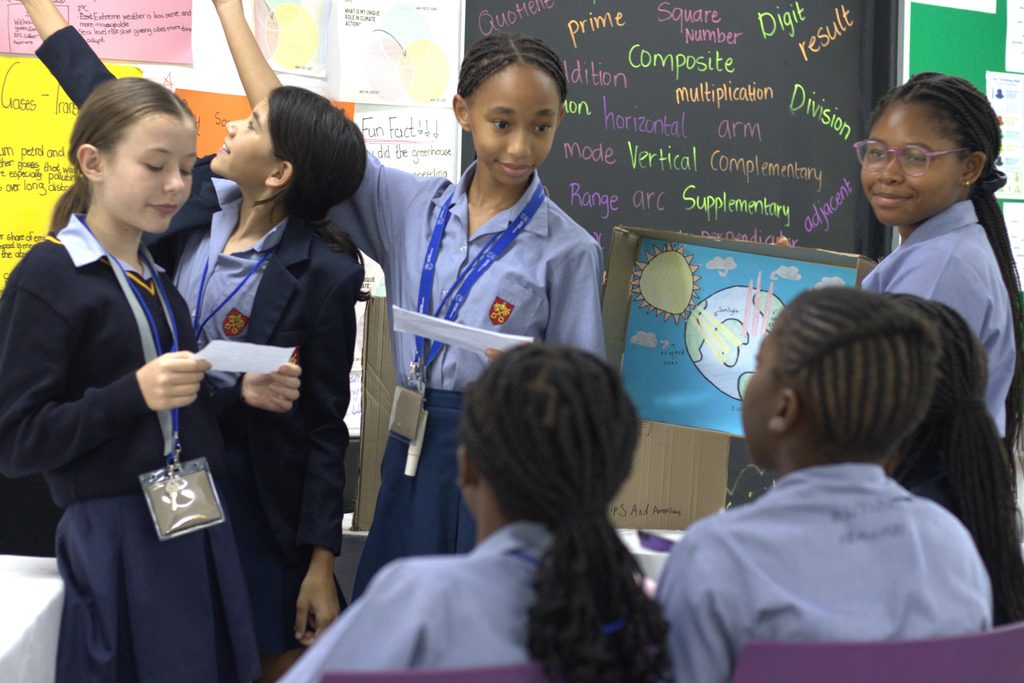
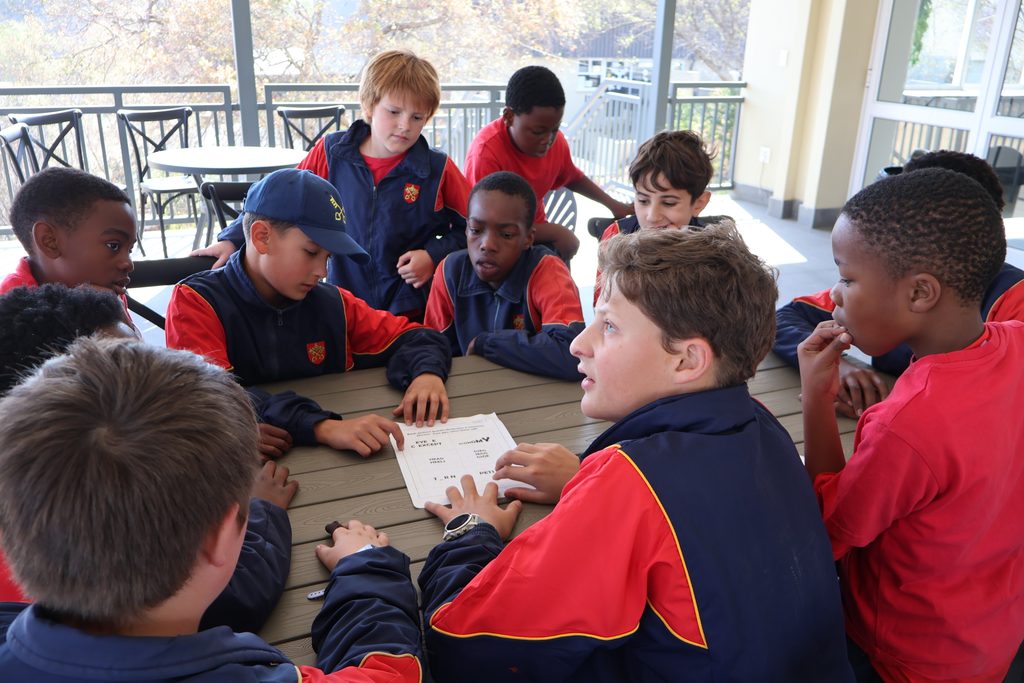
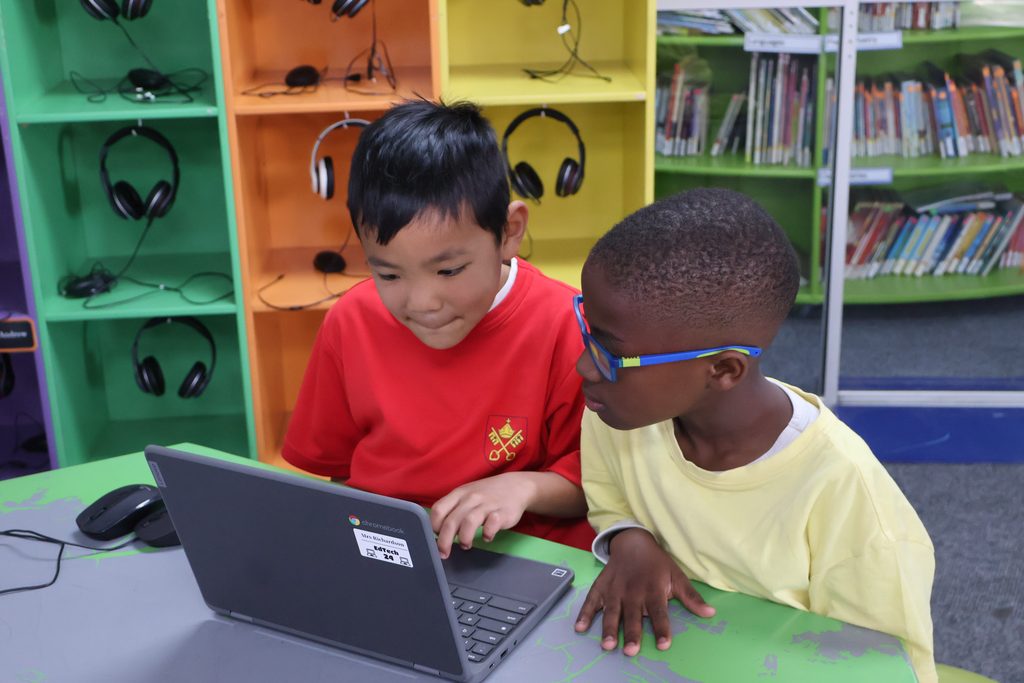
Importantly, inquiry is not always neat and it doesn’t always involve notes written in a book for children to learn. Sometimes an experiment doesn’t work. Sometimes the first idea is wrong. Sometimes the group disagrees. Sometimes a child has to start again. To an adult, this can look like wasted time or a lack of progress. In reality some of the most valuable learning is taking place during these moments.
The messy middle is where children learn to ask:
“Why didn’t that work?”
“What could I try differently?”
“What evidence do I have?”
“Could there be another explanation?”
These are the beginnings of independent thinking and metacognition – the ability to think about our own thinking and learning. A beautifully completed project may demonstrate what a child can produce. But a child who can explain why something didn’t work, what she changed, what she discovered and what she would try next time is developing something far more powerful: the capacity to become a lifelong learner. So, when you see your child’s work looking a little untidy, unfinished or even unsuccessful, remember that learning is not always meant to look perfect. Sometimes the most important learning happens in the mess.
We are not simply preparing children to know the right answers. We are preparing them to ask better questions or prompt for AI, think deeply, persevere through difficulty and have the courage to try again.